The Difference Between Being Busy and Being Productive
(Why business productivity vs busy is one of the biggest blind spots in business)
One of the most telling things a business owner can say to me is:
“We’re flat out… but I don’t feel like we’re getting ahead.”
This is the heart of the business productivity vs busy problem.
Because being busy and being productive are not the same thing.
In fact, in many businesses, busyness is what hides poor productivity.
And unless you understand the difference, no amount of effort will create the results you’re hoping for.
Business productivity vs busy (quick explanation)
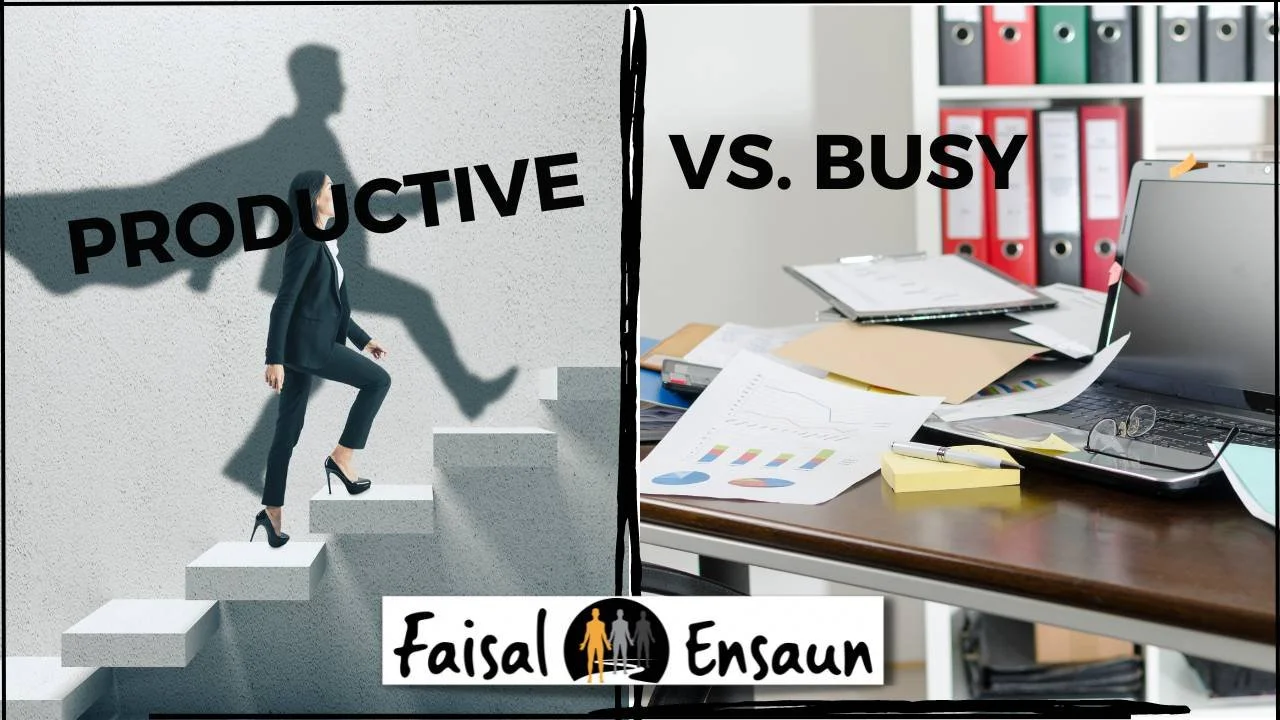
Being busy means activity is high.
Being productive means outcomes are improving.
A business can be:
Extremely busy
Working long hours
Constantly reacting
…and still be unproductive.
Productivity is measured by results per unit of effort, not by how full the calendar looks.
Why busyness feels productive (but isn’t)
Busyness creates the illusion of progress because:
People are moving
Tasks are being completed
Problems are constantly being addressed
But activity alone doesn’t tell you whether the right things are being done.
In many businesses, people are busy compensating for:
Poor systems
Unclear processes
Decision bottlenecks
Rework and inefficiency
That effort masks the real problem.
A key insight from my work
In my experience, when a business is truly productive:
Things feel calmer, not frantic
Decisions are clearer
The owner is less involved in day-to-day issues
Results improve without proportional increases in effort
When a business is just busy:
Everyone is flat out
Problems repeat
Progress feels fragile
The owner is constantly pulled in
Common examples of busy but not productive businesses
Let me show you what it looks like in practice.
Example 1: The “always firefighting” business

What busy looks like
Constant interruptions
Urgent issues every day
The owner jumping between problems
Staff escalating decisions
What’s really happening
The business lacks clear workflows and decision authority.
People work hard just to keep things moving.
This is a classic sign that operational inefficiency is driving busyness.
An operational analysis would usually reveal where work is stalling and why problems keep resurfacing.
Example 2: The business that adds people but not output
What busy looks like
More staff hired
Everyone still stretched
Output doesn’t increase as expected
What’s really happening
Work isn’t flowing efficiently.
Processes aren’t clear.
People are working around gaps instead of within structure.
More people + broken systems = more busyness, not more productivity.
This is something I see clearly during a Business Analysis, because it looks at how work actually flows, not how it’s supposed to.
👉 Learn more: Business Analysis
Example 3: The owner who works more as the business grows
This is one of the biggest red flags.
What busy looks like
Sales grow
The owner works longer hours
Decisions bottleneck at the top
What’s really happening
The business is productive only when the owner is involved.
This is not productivity.
It's a dependency.
And it quietly limits profit, scale, and freedom.
Why operational inefficiency creates busyness
Operational inefficiency shows up as:
Rework
Delays
Duplication
Waiting for decisions
Manual fixes for system gaps
People compensate by working harder.
From the outside, the business looks busy.
From the inside, it feels exhausting.
This is why business productivity vs busy is not about time management, it’s about structure.
How productive businesses actually operate
Truly productive businesses tend to have:
Clear priorities
Defined decision authority
Simple, repeatable processes
Fewer urgent issues
Better results with less effort
Importantly, productivity often increases before workload reduces, because waste is removed first.
That only happens when you understand where effort is being lost.
Why working harder doesn’t fix this

When productivity is low, the natural response is to push harder.
More effort.
More urgency.
More pressure.
But effort cannot fix:
Broken workflows
Poorly designed systems
Misaligned priorities
Structural bottlenecks
This is why many owners feel like they are constantly pushing uphill.
My key insights on productivity
In my work as a business improvement professional, I rarely see businesses that need more effort.
I see businesses that need:
Better visibility
Clearer structure
Fewer priorities
Smarter sequencing of change
Once effort is directed properly, productivity improves naturally.
Business productivity vs busy (summary)
A business is likely busy but not productive when:
Everyone is flat out but results are flat
Problems repeat
The owner is central to everything
Growth creates stress instead of ease
Fixes don’t stick
Productivity improves when you remove friction, not when you add pressure.

Why operational analysis is the turning point
An operational analysis, delivered as part of a Business Analysis, shows:
Where work actually slows down
Where effort is being wasted
Why people are busy
What to fix first to improve output
It replaces assumptions with clarity.
👉 Business Analysis is the starting point.
Learn more here.
Stop Working Harder, Start Working Smarter
Making Smarter & More Profitable Decisions
Read more about Owner Load, Time Burnout & Sustainability here.