How to Use a Virtual Assistant to Secure More Sales in 2026

In 2026, the businesses that are winning aren’t working harder, they’re filtering better.
One of the biggest mistakes I see business owners make is this:

They use a Virtual Assistant (VA) to do tasks, instead of using a VA to create sales leverage.
A VA isn’t there to keep you busy.
They’re there to protect your time, qualify opportunities, and warm the ground before you ever step into a sales conversation.
If you sell anything high-value, like consulting, coaching, advisory, or a Business Analysis this matters more than ever.
Let me show you how to use a VA properly to secure more sales in 2026.
First: The Mindset Shift Most Business Owners Miss
Sales in 2026 is not about chasing leads.
It’s about attracting the right people and disqualifying the wrong ones early.
Your VA should help you:
Pre-frame your value
Identify whether a business is worth your time
Educate prospects before they speak to you
Filter out people who will never buy, no matter how good you are
This is exactly how I work with my own clients.
By the time someone speaks to me about a Business Analysis, they already understand:
What it is
Who it’s for
What it’s worth
And whether they’re serious
That doesn’t happen by accident.
It’s engineered.
The Real Role of a VA in Sales (Not “Marketing”)
In 2026, a VA’s role in sales is to act as a commercial gatekeeper.
Not a salesperson.
Not a content robot.
A filter.
Here’s what that looks like in practice.
1. Using a VA to Pre-Sell Your Expertise
Before anyone speaks to you, they should already believe:
You understand their world
You’ve seen their problem before
You don’t work with everyone
A VA can support this by:
Turning your thinking into educational content (blogs, posts, emails)
Repurposing your insights into short, sharp explanations of common business problems
Highlighting real examples of inefficiency, profit leakage, and operational blind spots
Example from my work:
I often talk about how business owners feel busy but don’t know why profit isn’t moving. A VA can turn that insight into:
A short article
A LinkedIn post
An email explaining how a Business Analysis uncovers hidden leaks
By the time someone enquires, they’re already nodding along thinking,
“That’s exactly us.”
That’s pre-selling.
2. How a VA Can Qualify Businesses (This Is Critical)
This is where most businesses drop the ball and where the biggest money leaks occur.
Your VA should never treat all enquiries equally.
Instead, they should qualify businesses against clear criteria before they reach you.
Virtual Assistant Services: A Booming Business for Filipinos with Tech Skills
What a VA Should Be Checking
A trained VA can qualify:
Business size (revenue, team size, complexity)
Industry fit
Whether the owner is the decision-maker
Signals of growth, stagnation, or stress
Intent (curious vs committed)
This can be done through:
Enquiry forms with smart questions
Email or DM follow-ups
Light research before booking calls
In my business, I don’t want conversations with people who:
Want a “quick fix”
Aren’t open to looking at their numbers
Are price-focused instead of outcome-focused
A VA helps filter those people out politely and professionally.
3. Tools Your VA Can Use to Qualify Properly
This doesn’t require fancy tech, just the right setup.
Core Tools
CRM system (even a simple one)
Tag leads as Ideal / Possible / Not a Fit
Pre-qualification forms
Questions about revenue range, team size, biggest challenge
Research tools
LinkedIn
Company websites
Basic financial or industry signals
Email templates
Clarifying intent
Setting expectations
Explaining next steps
The goal isn’t interrogation, it’s context.
When you walk into a conversation already understanding the business, the dynamic changes completely.
4. Using a VA to Protect Your Time (and Energy)
Time is the one thing business owners can’t get back.
A VA should:
Handle initial responses to enquiries
Send educational resources before calls
Confirm seriousness before booking time
Follow up with people who aren’t ready without you chasing them
This alone can remove hours of mental load every week.
I’ve seen business owners halve their sales conversations and double their close rate simply by improving pre-qualification.
What are your responsibilities/tasks as a VA (virtual assistant)?
5. Following Up Without Feeling Salesy
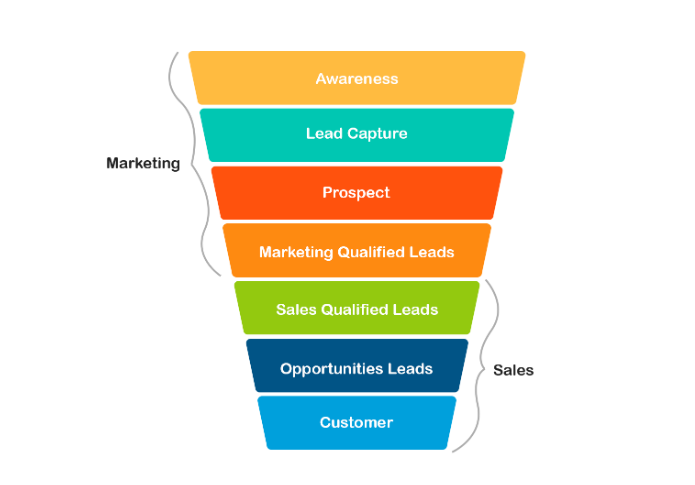
Most sales are lost in the follow-up, not because people aren’t interested, but because no one stays in touch properly.
A VA can:
Manage nurture sequences for “not yet” prospects
Share insights, not pressure
Keep your expertise front of mind
Track who re-engages and when
This is especially powerful for high-value offers like a Business Analysis, where decisions are rarely instant.

The Bottom Line
A VA in 2026 is not an admin role.
They are part of your sales infrastructure.
Used properly, a VA will:
Filter out the wrong clients
Warm up the right ones
Shorten sales cycles
Improve conversion rates
And give you your headspace back
That’s how you build a business that works with you, not one that drains you.
If you’re serious about improving sales without adding pressure, start by asking this question:
Is my VA helping me have better conversations, or just more of them?
If it’s the second one, that’s where the opportunity lies.
Stop Working Harder, Start Working Smarter